Can You Go to the ER for a Dental Emergency?
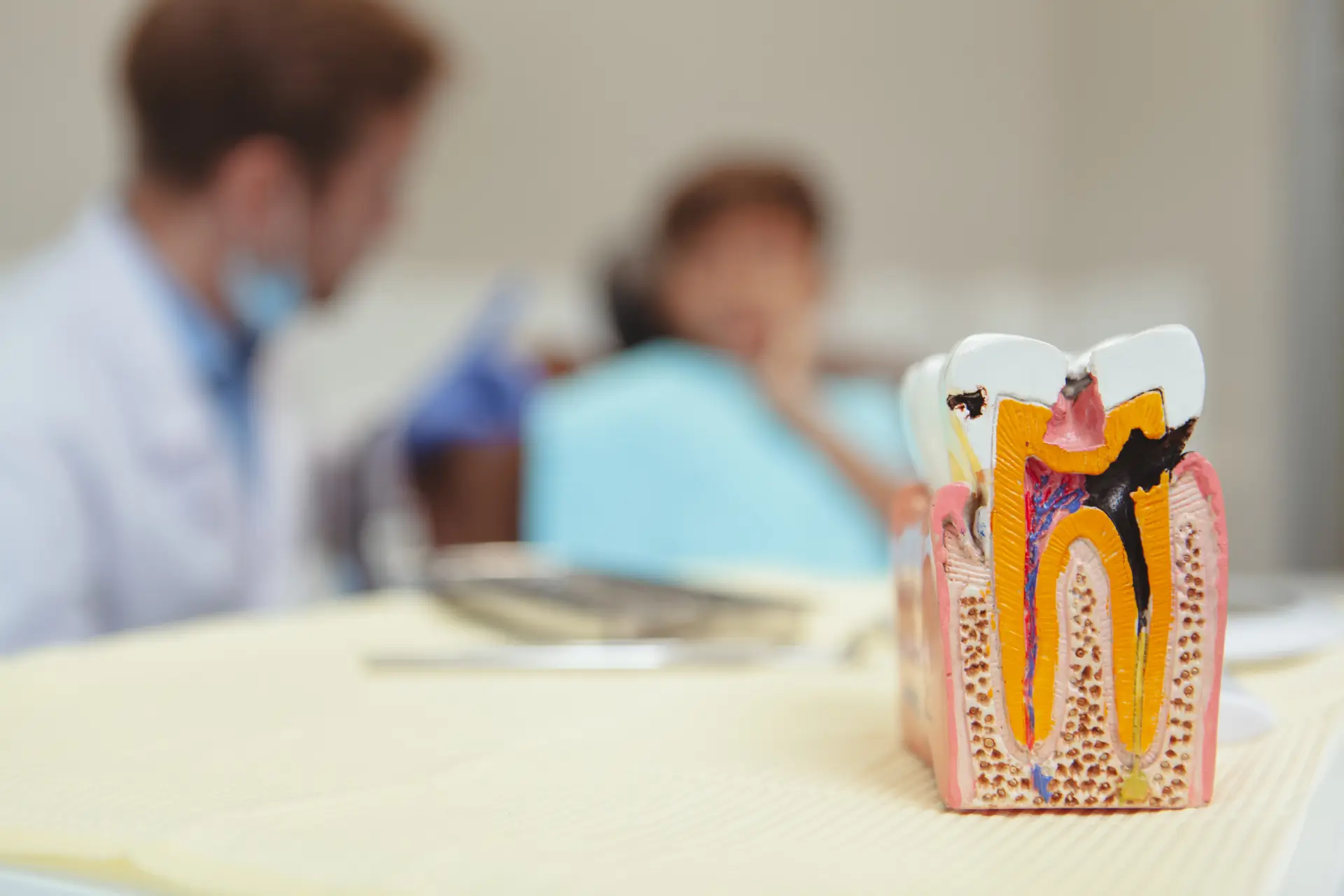
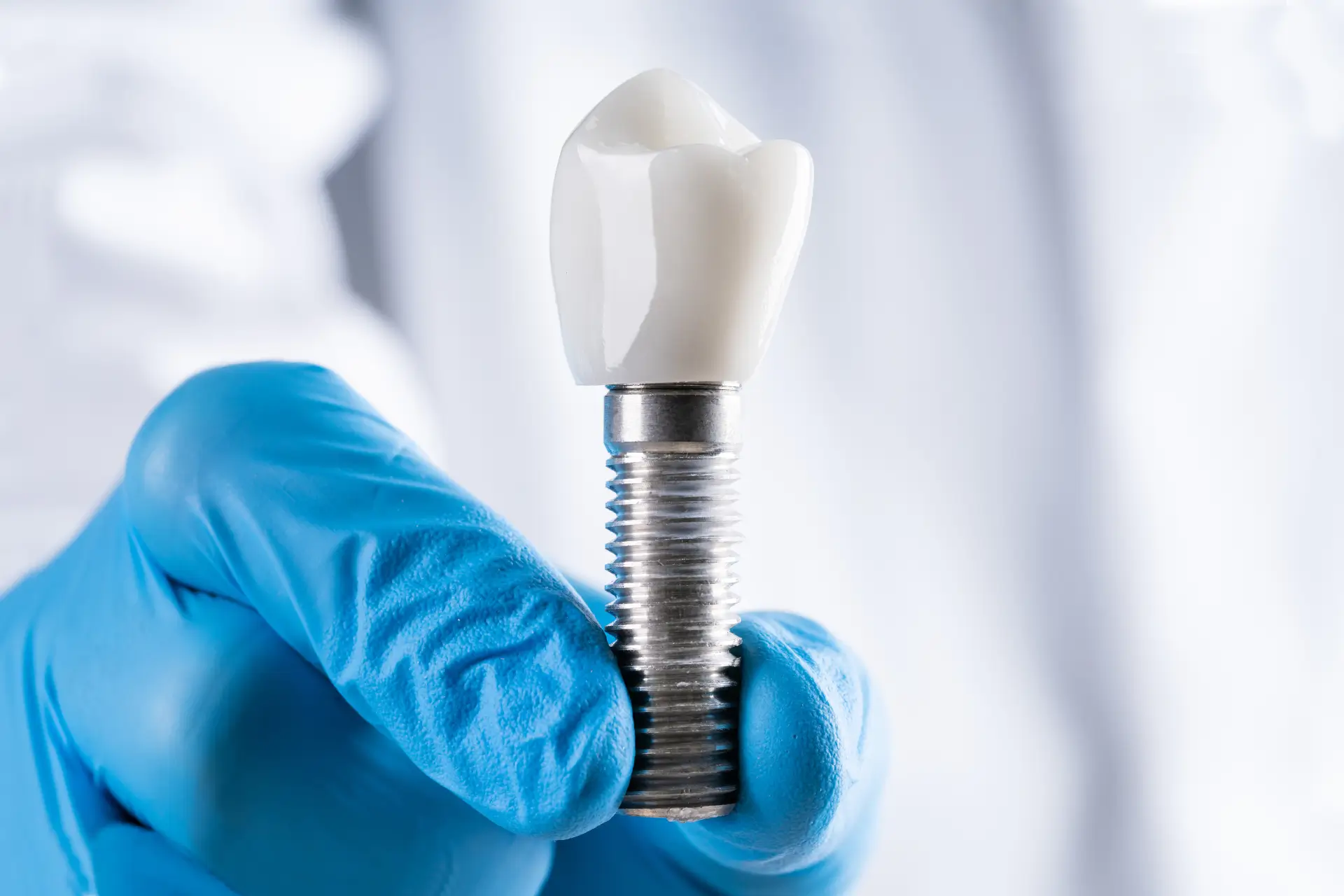
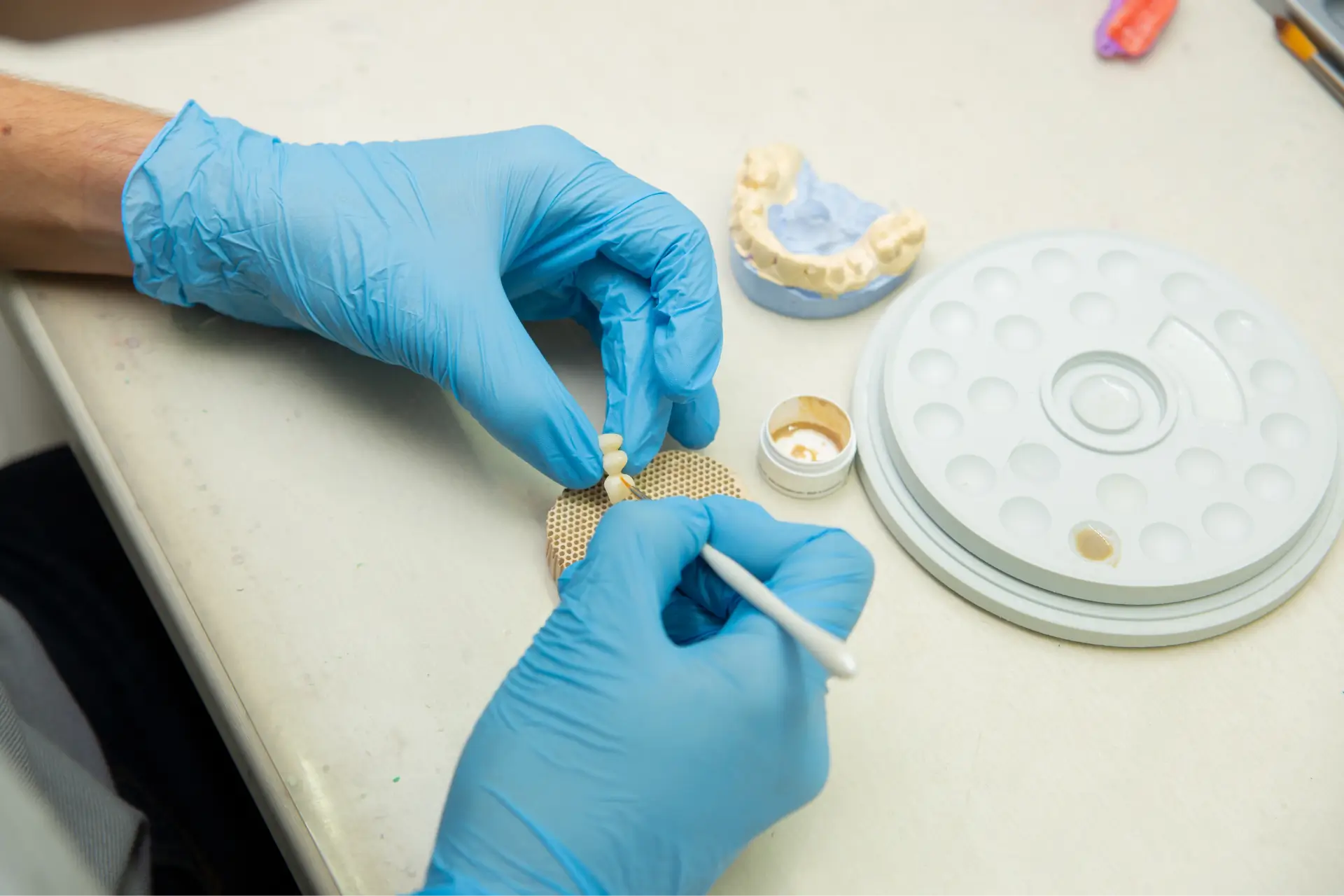
Yes, you can go to the ER for a dental emergency, but whether you should depends on what is happening and how serious it is. That distinction matters. Many people assume any severe tooth pain belongs in the emergency room. In practice, the ER is best for problems that threaten your breathing, involve major swelling or bleeding, follow significant trauma, or come with signs of a spreading infection. For many other urgent dental problems, an emergency dentist is the faster and more effective choice.
This is one of those situations where the right answer is not a simple yes or no. Hospitals and dental offices do different jobs. The ER is designed to stabilize medical emergencies. Dentists are trained and equipped to diagnose the source of tooth pain, drain certain infections, repair damaged teeth, and decide whether a Dental Emergency root canal, extraction, splint, or other dental treatment is needed. If you show up to the wrong place, you may still get help, but not always the kind that solves the problem.
Knowing the difference can save time, money, and a miserable night of pain.
What the ER can actually do for a dental emergency
An emergency room can be extremely Dental Emergency important in the right circumstances. If a dental problem has crossed over into a medical issue, the ER may be the safest place to start. Hospital staff can assess your airway, check for dehydration, control significant bleeding, treat fever and signs of systemic infection, give pain relief, prescribe antibiotics when appropriate, and arrange imaging or consultation if facial trauma is involved.
That last part is often misunderstood. The ER can usually help you get through the immediate crisis, but it often cannot provide definitive dental treatment. Most emergency rooms do not have a dentist on site around the clock. Even large hospitals may not have dental coverage except in specific programs or for major facial injuries. So if you go in with a cracked molar, a lost filling, or throbbing tooth pain from an infected nerve, the ER may ease symptoms and tell you to follow up with a dentist as soon as possible.
That can still be the right move if your pain is severe and every dental office is closed. But it helps to go in with realistic expectations. The ER is often the place for stabilization, not final repair.
When the ER is the right call
There are a few situations where I would not wait for a morning dental appointment. Some are obvious, some less so. A tooth problem can become dangerous when swelling spreads into the soft tissues of the face, jaw, or neck. The mouth is not isolated from the rest of the body. Infections can track along tissue planes, and when they do, the risk changes fast.
Go to the ER now if you have any of these warning signs:
- Trouble breathing, trouble swallowing, or a feeling that your throat is tightening
- Rapidly increasing swelling of the face, jaw, gums, or neck
- Fever, chills, confusion, weakness, or vomiting along with dental pain or swelling
- Heavy bleeding after an extraction, injury, or oral surgery that does not slow with firm pressure
- Significant trauma to the face or jaw, especially if you suspect a fracture or cannot open or close your mouth normally
These are not routine toothache symptoms. They suggest a broader medical emergency. A common example is a lower molar infection that starts as pain near the back of the mouth and, over a day or two, turns into visible jaw swelling and painful swallowing. Another is a patient on blood thinners who has bleeding after an extraction that keeps soaking gauze every few minutes. A third is a knocked-out tooth after a fall, combined with a split lip, dizziness, or possible concussion. In those cases, the emergency room is the right first stop.
Children and older adults deserve special mention. Kids can go downhill quickly with dehydration if they refuse fluids because of mouth pain. Frail older adults, especially those with diabetes, heart disease, kidney disease, or weakened immune systems, may not show dramatic symptoms at first. A modest oral infection in a healthy young adult may be a larger threat in someone with serious medical conditions.
When a dentist is usually the better choice
If you have a dental emergency that is painful but not dangerous, an emergency dentist is usually more useful than the ER. Dentists have the tools to identify which tooth is causing the problem, take focused dental X-rays, test the nerve, adjust the bite, place temporary restorations, reimplant or splint some injured teeth, open and drain certain abscesses, and decide what procedure gives the best chance of saving the tooth.
This often includes severe toothache, a broken crown, a cracked tooth, a lost filling, a dental abscess without major swelling, or a tooth that has been knocked loose but not associated with major facial trauma. These problems feel urgent because they are urgent, but they are still dental in the strict sense. A hospital can help you hurt less. A dentist is more likely to fix the reason you hurt.
People are often surprised by how many practices now reserve same-day appointments for urgent cases. Even if your regular dentist is closed, many cities have after-hours emergency clinics, group practices with rotating call schedules, or oral surgery offices that handle trauma and infections. If you call, be specific. Say where the pain is, whether there is swelling, how long it has been going on, and whether you have fever, difficulty swallowing, or trouble opening your mouth.
The gray area, severe pain at 11 p.m.
This is where real life gets messy. Not every painful tooth problem fits neatly into an ER or dentist box. Someone may have excruciating pain, no swelling, and no access to a dentist until morning. Another person may have facial swelling but no fever and no trouble swallowing yet. In those situations, judgment matters.
If the pain is unbearable and there is truly no dental care available, the ER can be reasonable. That is especially true if over-the-counter pain medication is not touching it, you have not slept, and you are at risk of becoming dehydrated or unable to function. Still, the downside is that you may wait for hours, receive temporary medication, and leave without definitive treatment. The next step will usually still be a dentist.
A good practical rule is this: if the problem seems local to the tooth, gum, or crown, start with a dentist if one is available. If the problem seems to be spreading, affects breathing or swallowing, follows a significant injury, or comes with whole-body symptoms, go to the ER.
What the ER usually cannot do
This is the part many people wish were different. Most emergency departments do not perform root canals, routine extractions, crown repairs, fillings, or comprehensive dental imaging. They also generally do not stock the materials needed to permanently rebuild a fractured tooth or recement a crown in the way a dentist would.
A physician in the ER may prescribe medication, numb the area temporarily, or recommend follow-up. Sometimes that is exactly what you need. Sometimes it is a frustrating stopgap. If the underlying cause is a dying nerve, a deep cavity, a cracked root, an abscess that needs a dental drain, or a broken tooth exposing the pulp, the problem usually remains until dental treatment happens.
This gap matters financially too. An ER visit often costs far more than an emergency dental exam, yet does less to solve a routine dental problem. A hospital bill for a few hours of evaluation, medications, and discharge instructions can be substantial, depending on your insurance. By contrast, many urgent dental visits, while not cheap, are more targeted and may include the treatment needed to end the crisis.
The infection question, and why it deserves respect
The word abscess gets used loosely. Not every dental infection looks dramatic, and not every swelling means disaster. But infections in the mouth deserve caution because they can behave unpredictably. A tooth can go from nagging sensitivity to throbbing pain over days, then progress to pressure, pus, foul taste, cheek swelling, or difficulty chewing.
Antibiotics have a role, but they are not magic. They may reduce bacterial spread, yet they often do not eliminate a dental infection unless the source is treated. If a tooth nerve is dead or infected tissue is trapped inside the tooth, the infection may return after the antibiotic wears off. That is why dentists often say the infection needs treatment, not just medication.
There is also the opposite problem, relying on antibiotics when they are not needed. Not every toothache is an infection. Some are from inflammation, nerve irritation, clenching, a cracked cusp, or gum trauma. Taking leftover antibiotics from a family member is a bad idea. It can blur symptoms, cause side effects, and delay the right diagnosis.
Dental trauma, timing matters more than people realize
A broken or knocked-out tooth often creates panic, and for good reason. Certain dental injuries are very time-sensitive. If a permanent tooth is completely knocked out, the chance of saving it improves if it is handled correctly and reimplanted quickly, ideally within 30 to 60 minutes. Baby teeth are different, they generally are not reimplanted because of the risk to the developing adult tooth underneath.
If a permanent tooth is knocked out, pick it up by the crown, not the root. If it is dirty, rinse it gently with milk or saline if available, or briefly with clean water without scrubbing. If you can place it back in the socket easily, do so and bite gently on gauze or cloth. If not, keep it moist in milk or in the person’s saliva, such as tucked inside the cheek if the patient is alert and old enough not to swallow it. Then seek urgent dental care immediately. If the injury includes loss of consciousness, severe facial cuts, suspected jaw fracture, or other major trauma, go to the ER.
That is a classic case where you may need both. The hospital addresses the medical side. The dentist or oral surgeon addresses the tooth.
A practical way to decide at home
When people are in pain, they usually do not want a lecture on systems of care. They want to know what to do next. Start by asking whether the problem is dangerous, not just painful. Can you breathe comfortably? Swallow your saliva? Open your mouth reasonably well? Is swelling mild and local, or visibly spreading? Do you have fever, shakiness, or feel generally ill? Was there a major injury involved?
If the answers point away from danger, call a dentist, even after hours. If they point toward spreading infection, uncontrolled bleeding, or trauma, go to the ER.
Before you leave for urgent care, these steps can help:
- Take a photo of the swelling or injury, especially if it has been changing
- Bring a list of medications, allergies, and medical conditions, including blood thinners
- If there is bleeding, apply firm pressure with clean gauze for 15 to 20 minutes without checking constantly
- Use a cold compress on the outside of the face for swelling, in short intervals
- Do not place aspirin directly on the gum or tooth, it can burn the tissue
That last point still catches people. I have seen painful chemical burns from folk remedies that were supposed to numb a tooth. The same goes for clove oil used too heavily, improvised glues, and random temporary filling kits forced into places they do not belong.
What to do for pain while waiting
Over-the-counter pain control can make a real difference while you are trying to get seen. For many adults, ibuprofen or naproxen helps because dental pain often has a strong inflammatory component. Acetaminophen can also be useful, and in some cases people alternate or combine medications according to labeled directions or a clinician’s advice. What matters is taking them safely. If you have stomach ulcers, kidney disease, liver disease, are pregnant, take blood thinners, or have been told to avoid certain medications, the choice changes.
A cold compress outside the cheek can reduce swelling and take the edge off. Sleeping with your head elevated may help throbbing that gets worse when lying flat. Gentle rinsing with warm salt water can soothe irritated gums, though it will not cure the underlying issue.
What usually does not help is heat on a swollen face, alcohol as a pain strategy, or delaying care because the pain faded for a few hours. Tooth infections and cracked teeth often wax and wane. A quiet day does not always mean the problem has resolved.
Insurance, cost, and the frustrating reality of access
One reason people end up in the ER for a dental emergency is simple, access. They may not have a dentist, may not have dental insurance, may be traveling, or may live in an area with few emergency appointments. Hospitals become the default when everything else is closed.
This creates a hard reality. Emergency departments are open all night, but they are not designed to deliver comprehensive dental care. Dental offices are better for many oral problems, but they may be unavailable when patients need them most. That mismatch explains why so many people with tooth pain bounce between urgent care, the ER, and then a dental office later.
If cost is a concern, it is worth calling around before assuming the ER is the only option. Community health centers, dental schools, county clinics, and larger group practices sometimes offer lower-cost urgent visits or sliding fee options. Dental schools in particular can be a lifeline in some regions, though hours and same-day capacity vary.
Special situations that change the answer
Some patients should have a lower threshold for seeking medical help. If you are immunocompromised, on chemotherapy, taking high-dose steroids, living with uncontrolled diabetes, or have a condition that makes infection risk more serious, a swelling that might be watched in someone else should be taken more seriously in you. The same is true after recent oral surgery if pain spikes sharply, bleeding resumes heavily, or swelling becomes noticeably worse after initially improving.
Pregnancy also changes the calculus a bit. Dental infections should not be ignored during pregnancy, and acute treatment is often safer than leaving an infection untreated. The right destination still depends on symptoms. Breathing trouble, major swelling, fever, or trauma belong in the ER. Otherwise, urgent dental care is usually the better fit.
For young children, tooth pain can be deceptive. A child may not describe pressure, swelling, or difficulty swallowing clearly. Instead, you may see drooling, refusal to eat, waking at night, cheek holding, crying when brushing, or a sudden bad smell from the mouth. If there is facial swelling, fever, lethargy, or poor fluid intake, act promptly.
So, can you go to the ER for a dental emergency?
You can, and sometimes you absolutely should. The emergency room is the right place for a dental emergency when the issue threatens your airway, involves significant swelling or bleeding, follows serious trauma, or makes you systemically ill. It is also a reasonable fallback when pain is severe and no dental care is available.
But if the problem is a tooth, a filling, a crown, or a localized infection without dangerous warning signs, an emergency dentist is usually the better first move. Dentists treat the source. ERs stabilize the crisis.
That difference is the whole point. If your face is swelling and swallowing hurts, do not wait around hoping it passes. If your crown popped off and the tooth aches when you drink cold water, skip the hospital and call a dentist. The smartest response to a dental emergency is not just fast, it is targeted.
Vitality Dental
Address: 1220 Coit Rd #106, Plano, TX 75075
Phone number: +19726454100
FAQ About Dental Emergency
What can the ER do for a tooth?
An emergency room (ER) can manage pain and treat severe infections with medication, but it cannot fix or pull a tooth.
What is considered a dental emergency?
A dental emergency is any oral health problem that involves severe pain, uncontrollable bleeding, or an infection that threatens your health or requires immediate care to save a tooth.
Is there a 24-hour dental service in Plano, TX?
There is no physical dental clinic in Plano, Texas, that stays open with walk-in staff 24 hours a day, but several offices offer 24/7 phone support, late-night hours, or same-day emergency care.
Corrections
Spot something wrong? Send it to the desk and it gets fixed in the open.