Can an Emergency Dentist in Plano, TX Treat a Lost Dental Filling?

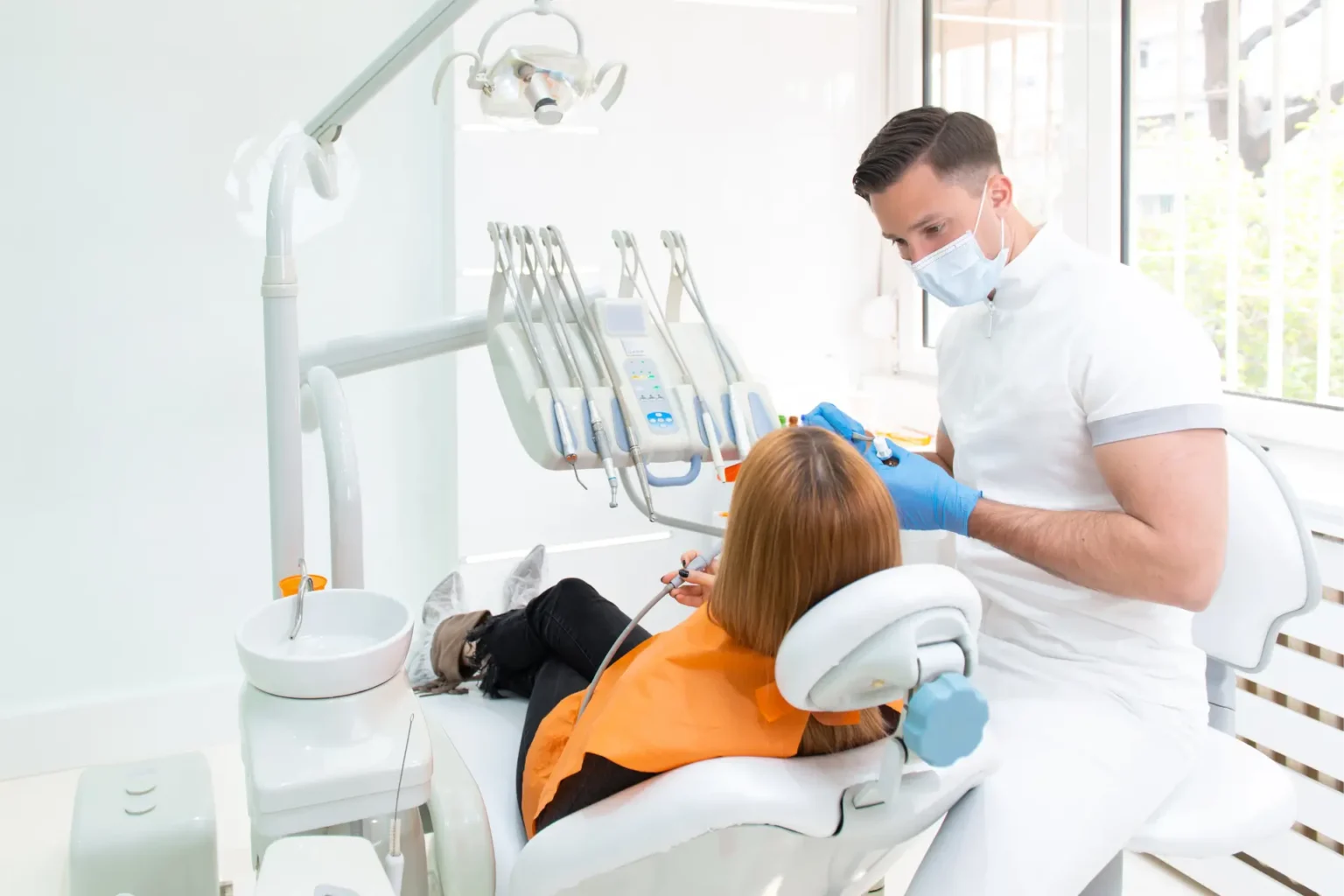

Yes, in most cases an emergency dentist in Plano, TX can absolutely treat a lost dental filling, and often on the same day. A missing filling may sound minor compared with a broken tooth or severe swelling, but anyone who has lost one knows how quickly a small problem can turn into a sharp, distracting, very real emergency. The tooth may become sensitive to cold air, sweets, or even plain water. Food packs into the space. The edges can feel rough against the tongue. If the underlying tooth structure is already thin or weakened, a lost filling can leave it vulnerable to cracking.
That is why dentists take this problem seriously. A filling does more than cover a hole. It seals the tooth, restores shape, protects dentin, and helps distribute chewing forces. Once it comes out, the tooth is exposed in ways patients can feel almost immediately.
The good news is that treatment is usually straightforward when people come in early. The exact fix depends on how much healthy tooth remains, whether decay has developed around the old filling, and whether the nerve inside the tooth has become irritated. Sometimes the dentist can place a new filling after cleaning the area. Sometimes a crown is the better long-term answer. In a more painful or neglected case, root canal treatment may enter the conversation. That range is normal, and it is why prompt evaluation matters.
Why fillings come out in the first place
Most fillings do not fail for a single dramatic reason. More often, they loosen over time after years of chewing pressure, temperature changes, and gradual wear along the margins where filling meets tooth. Composite fillings can chip. Older metal fillings can create stress in the surrounding tooth as both materials age differently. Recurrent decay is another common culprit. Bacteria can work into tiny gaps around an existing filling, weakening the bond and undermining the tooth from beneath.
I have seen patients lose a filling while eating something obvious, like sticky candy or a crunchy tortilla chip. I have also seen it happen while brushing teeth at night, which tends to surprise people. They expect a dramatic crack and instead notice a little hard piece in the sink or a sudden crater when their tongue checks the area. In both situations, the cause is often the same: the restoration had already reached the end of its useful life.
Grinding and clenching also deserve mention. Plano patients, like patients anywhere with stressful schedules and long commutes, often do not realize how much pressure they place on their teeth during sleep. That repeated force can loosen fillings, especially in molars.
Is a lost filling really a dental emergency?
Sometimes yes, sometimes no, but it should never be ignored.
A lost filling falls into the gray zone that dentists handle every day. If the tooth is not painful, not sharp, and not visibly broken, it may not be an emergency in the same sense as uncontrolled bleeding or facial swelling. But it is still urgent because exposed tooth structure deteriorates quickly. Sensitivity can intensify over a day or two. Food debris and bacteria collect in the open space. What might have been a simple replacement can become a larger restoration if treatment is delayed.
The situations that raise the urgency are fairly consistent:
- significant pain, especially throbbing or pain that lingers after hot or cold
- a sharp or broken edge that cuts the tongue or cheek
- visible loss of a large part of the tooth, not just the filling
- swelling, gum tenderness, or a bad taste that suggests infection
- inability to chew on that side without discomfort
If any of those are happening, contacting an emergency dentist in Plano, TX is the right move. Offices that reserve same-day slots for urgent care see this kind of problem often.
What an emergency dentist looks for during the visit
When a patient comes in with a missing filling, the first task is not simply to put material back into the space. A good emergency exam answers several practical questions. Is the remaining tooth solid enough to support a new filling? Is there recurrent decay? Has the loss of the filling uncovered a crack line? Is the pulp, the nerve and blood supply inside the tooth, inflamed or infected?
This is why the visit usually includes an exam and often an X-ray. Patients sometimes wonder why imaging matters if they can already see the hole. The answer is that the visible part tells only part of the story. X-rays can show decay beneath the surface, the depth of the defect, and whether the nerve appears close to exposure. They can also reveal whether the tooth has had prior treatment that affects the choice of restoration.
Dentists also pay attention to symptoms. A tooth that is only mildly sensitive when air touches it is different from a tooth that wakes someone up at 2 a.m. Heat pain, spontaneous aching, or pain on biting can signal deeper trouble than a simple missing filling.
What treatment might look like that same day
Many lost fillings can be replaced during the emergency appointment. If the cavity is small to moderate, the remaining tooth is healthy, and the area can be cleaned and isolated properly, the dentist may remove any weakened material and place a new composite filling right away. That is often the best-case scenario.
If the hole is larger than expected, the dentist may recommend a crown rather than another filling. This comes up often when the old filling already occupied a big part of the tooth. At a certain point, placing yet another large filling becomes a short-term patch on a structure that needs more complete coverage. A crown wraps around the tooth and protects it from splitting under chewing force.
There are also in-between cases. Sometimes the tooth is too sensitive or the area too compromised for a permanent restoration that day, so the dentist places a sedative or temporary filling to seal the tooth and relieve discomfort until definitive treatment can be done. That is not a failure. It is often smart dentistry, especially if the nerve is irritated and needs time to settle.
If the decay is deep or the pulp is exposed, the treatment path can change. Some teeth need root canal therapy before they can be restored safely. Others are cracked in ways that make extraction the more realistic option, though that is less common than patients fear.
What you should do before you get to the office
The hours between losing a filling and getting into the chair matter. The goal is to protect the tooth, keep the area clean, and avoid making the damage worse.
Here is a simple approach that works well for most people:
- Rinse gently with warm water to clear out trapped food.
- Avoid chewing on that side, especially hard, sticky, or very cold foods.
- If the tooth is sensitive, cover the area with temporary dental filling material from a pharmacy if you have it.
- Brush carefully and keep the area clean, but do not dig into the tooth with picks or sharp objects.
- Call a dental office promptly, especially if pain is increasing.
Those temporary repair kits can be useful for a day or two, but they are stopgaps, not treatment. They do not remove decay, rebuild a proper contact point between teeth, or restore the bite accurately. I have seen patients get a little too comfortable with over-the-counter materials and wait weeks. By then the tooth often needs more than it would have on day one.
If you still have the filling that came out, bring it with you. In many cases it cannot be reused, but it can give the dentist a sense of the size and type of restoration that was there.
Pain level tells part of the story, but not all of it
One of the most common misunderstandings is that no pain means no urgency. Teeth do not always follow that rule. A lost filling in a shallow area may remain painless for a while, yet still collect bacteria and decay quickly. By contrast, a very sensitive tooth does not always mean catastrophe. Sometimes exposed dentin reacts strongly to air and temperature, but the nerve settles once the tooth is sealed again.
This is where clinical judgment matters. Dentists look at pain patterns, not just intensity. Brief sensitivity to cold can suggest one scenario. Lingering pain after cold, pain from heat, or pain that starts without any trigger can suggest another. Pain on release after biting may hint at a crack. Even a foul taste can be a clue, especially if food is packing into the space and breaking down.
The point is not to self-diagnose too aggressively. It is to recognize that symptoms give clues, while the exam confirms what is actually going on.
When replacing the filling is not enough
Patients often hope the solution will be as simple as, “The filling fell out, so put a new one in.” That happens often, but not always. Teeth are biological structures, not machine parts. A filling that falls out may be the visible sign of a broader problem.
A large cavity under an Emergency dentist Plano, TX vitalitydentaldfw.com old restoration may leave the remaining enamel walls too thin to support another filling. A crack may travel below the gumline. In some teeth, repeated cycles of filling replacement gradually remove more healthy structure each time. After a certain point, the better treatment is the one that preserves what remains instead of repeating the old approach.
This matters especially for molars, where chewing forces are highest. A premolar or molar with a large missing filling can fracture while someone waits for an appointment, particularly if they keep chewing on it. That fracture can transform a restorable tooth into one that needs a crown, root canal, or extraction. Dentists mention this not to alarm patients, but because it happens often enough to be worth respecting.
How quickly should you be seen in Plano?
For a lost filling without pain, getting seen within a day or two is reasonable. For a lost filling with pain, a broken tooth edge, swelling, or trouble chewing, same-day or next-day care is the better target. Most practices that provide urgent care understand this distinction and try to accommodate it.
If you are calling an emergency dentist in Plano, TX, be specific when you describe symptoms. Say whether the pain wakes you up, whether the tooth is cracked, whether there is swelling, and whether temperature triggers sharp sensitivity. That helps the team gauge urgency and prepare for the likely treatment. Dental schedulers hear “I lost a filling” many times a week, but the details determine whether the office blocks out a quick repair or a longer emergency slot.
Plano also has a mix of general dental offices, group practices, and dedicated urgent care clinics. Depending on the office, same-day treatment may be available even if you are not an existing patient. It is worth asking directly whether they can both evaluate and treat the tooth at the same visit.
What the appointment may cost, and why estimates vary
Cost is one of the first questions people ask, and understandably so. The challenge is that a “lost filling” can represent several very different clinical situations. A small composite replacement costs far less than a crown buildup plus crown. Add root canal treatment, and the number changes again.
That is why any honest answer before an exam is usually a range, not a single figure. Offices can often quote an emergency exam and X-ray fee, then explain possible restoration costs once the dentist has seen the tooth. If you have insurance, the estimate depends on plan specifics, frequency limitations, waiting periods, deductibles, and whether the office is in network.
In practical terms, patients are usually better served by asking two questions on the phone: what it costs to be evaluated today, and what common treatment possibilities the office sees for lost fillings. That tends to produce a more useful conversation than pushing for one all-inclusive number before anyone has looked at the tooth.
Temporary materials from the pharmacy, helpful but limited
Drugstores sell temporary filling material, dental cement, and pain-relief gels. These products can be genuinely useful for short-term comfort. They can reduce sensitivity and keep food out of the hole while you wait for care. For a patient traveling, stuck over a holiday weekend, or trying to make it through one night before an appointment, that is worthwhile.
Still, temporary materials have clear limits. They are not sterilizing the site. They do not remove softened tooth structure. They are usually not shaped well enough to restore the bite, and if they sit too high, the tooth can become sore from chewing pressure. They can also give patients a false sense of security.
I remember a patient who patched a missing molar filling before a business trip and felt so much better that he postponed treatment for nearly a month. By the time he came in, the temporary material had worn down, food had packed beneath it, and the tooth needed a crown rather than a simple replacement. That is a common pattern. Relief is not the same as repair.
Children, older adults, and a few special cases
A lost filling in a child deserves prompt attention, especially if the tooth has a large cavity history or if the child is now avoiding one side while eating. Children often adapt quietly, which can mask discomfort. If the filling was in a baby tooth, some parents wonder whether it matters because the tooth will fall out eventually. It still matters. Premature tooth loss can affect spacing, chewing, and comfort.
Older adults present another set of issues. Many have fillings that are decades old, sometimes with wear along the margins or root exposure around the tooth. A lost filling near the gumline can make a tooth very sensitive because root dentin is softer and less protected than enamel. Dry mouth, common with many medications, can also accelerate decay once a restoration fails.
People who clench, people with reflux, and people with frequent acidic beverage habits often have higher restoration failure rates as well. None of this means fillings are unreliable. It means the environment in the mouth matters.
How dentists decide between a filling, an onlay, or a crown
This decision is less about the size of the hole alone and more about the strength of the remaining tooth. If the cusps, the pointed chewing parts of a back tooth, are intact and well-supported, a filling may be enough. If one or more cusps are undermined or already cracked, a crown or onlay may protect the tooth better.
An onlay is worth mentioning because it sits between a filling and a full crown. It covers a portion of the tooth and reinforces weakened areas without encasing the entire tooth. Not every office uses the term often with patients, but it can be a conservative and durable option in the right case.
This is where experienced judgment matters more than slogans about saving money or preserving structure at all costs. A too-small restoration on a too-weak tooth often fails. An unnecessarily aggressive restoration removes healthy tissue. The right answer lives in the middle, tailored to the tooth in front of the dentist.
Signs the nerve may be involved
A lost filling can expose dentin and cause normal sensitivity. It can also, in some cases, reveal a deeper issue involving the pulp. The difference is important because replacing the filling alone may not solve the pain.
Watch for patterns like these:
- pain that lingers for many seconds or minutes after cold
- sensitivity to heat, especially if cold water then relieves it
- spontaneous throbbing without eating or drinking
- pain strong enough to disturb sleep
- soreness when biting down or releasing pressure
These signs do not guarantee root canal treatment, but they raise suspicion that the pulp is inflamed beyond what a simple filling replacement can calm down. Emergency dentists evaluate these symptoms every day, and in many cases they can still get patients comfortable quickly, even if full treatment requires a second visit.
Prevention matters, but not in a scolding way
Once a filling has been lost and replaced, most patients ask how to keep it from happening again. The answer is rarely dramatic. It usually comes down to the small routines that support restoration longevity: regular exams, early repair of tiny margin defects before they become major failures, wearing a night guard if you clench, and being mindful with hard ice, popcorn kernels, and sticky candy.
Dentists are not expecting patients to chew like monks. Teeth are meant to be used. But there is a difference between normal function and repeated abuse of already restored teeth. A filling in a heavily loaded molar has a very different life expectancy in someone who grinds nightly than in someone who does not.
It also helps to remember that restorations are not permanent. Even excellent dentistry has a lifespan. Materials age. Teeth flex. Bites shift. Saliva chemistry changes. A filling that lasted ten years did its job. Replacing it before it fails catastrophically is often more conservative than waiting for it to drop out or for the tooth to crack around it.
The practical answer for Plano patients
If you are dealing with a lost filling, the most practical answer is simple: yes, a dentist can treat it, and an emergency dentist in Plano, TX is often the fastest route when pain or sensitivity makes waiting uncomfortable. In many cases the repair is straightforward. In others, the visit prevents the tooth from sliding into a more expensive and more painful problem.
The smart move is not to panic, but not to delay either. Keep the tooth clean, avoid chewing on it, use a temporary material only if needed for short-term relief, and get the tooth examined promptly. A missing filling is one of those dental problems that rewards quick action. The sooner the tooth is sealed and restored properly, the better the odds that the fix stays simple.
Vitality Dental
1220 Coit Rd # 106, Plano, TX 75075, United States
+1 972-645-4100
FAQ About Emergency dentist Plano, TX
Will the ER do anything for dental pain?
An emergency department can assess urgent symptoms and provide medical stabilization. Definitive treatment of the tooth usually requires a dentist. Seek emergency medical care for breathing or swallowing difficulty, uncontrolled bleeding, or serious facial injury.
What to do if I have a dental emergency in the middle of the night?
Contact a dentist or after-hours dental service promptly for guidance. If a permanent tooth is knocked out, keep it moist in milk while seeking immediate care. If symptoms suggest a medical emergency, go to an emergency department.
What qualifies as a dental emergency?
A knocked-out permanent tooth, severe or persistent tooth pain, a significant dental injury, or swelling may require urgent dental assessment. Call a dentist to describe the symptoms and determine timing. Uncontrolled bleeding or difficulty breathing or swallowing requires emergency medical care.
Corrections
Spot something wrong? Send it to the desk and it gets fixed in the open.